Vision changes are a natural part of aging, yet many people are surprised by how gradually — and quietly — these changes occur. Adults often first notice subtle differences during routine tasks such as reading small print, driving at night, or adjusting to changing light conditions, which is why an optometrist is often the first professional to identify patterns that go beyond normal aging. Many assume these shifts are unavoidable or insignificant, only to learn that early action could have improved comfort and preserved clarity. Aging affects multiple parts of the eye over time, influencing focus, sharpness, and overall eye health. Understanding what changes are expected, which ones deserve attention, and how to protect vision proactively helps maintain independence, confidence, and quality of life as the years go on.
Why Vision Changes With Age
As the body ages, the eyes experience structural and functional changes that affect how vision works. The lens gradually loses flexibility, making it harder to focus on objects up close. This condition, known as presbyopia, develops slowly and explains why near tasks such as reading or using a phone become more challenging. At the same time, pupils react more slowly to changes in light, which reduces visual comfort in dim or high-glare environments. These shifts often make night driving or transitioning between lighting conditions more difficult than in earlier years.
Additional changes occur at the microscopic level. The retina becomes less efficient at processing light, and tear production may decline, leading to dryness and irritation. Blood flow supporting the eyes can also decrease slightly over time, affecting overall eye health. While these changes are common, their impact varies significantly. Regular monitoring helps separate normal aging from early signs of conditions that may require intervention.
Common Age-Related Vision Conditions
Presbyopia is the most widespread age-related vision change and typically requires reading glasses or multifocal lenses to restore comfortable near vision. However, other conditions tend to develop gradually and often without obvious warning signs. Cataracts form when the natural lens becomes cloudy, reducing sharpness, contrast, and colour perception. Early symptoms may include glare sensitivity or difficulty seeing at night, which many people initially dismiss.
Age-related macular degeneration affects central vision and can interfere with reading, recognizing faces, or driving. Glaucoma damages the optic nerve and often progresses without noticeable symptoms until vision loss has already occurred. Diabetic eye disease can also affect vision as metabolic changes increase with age. These conditions highlight the importance of early detection, as many treatments are most effective before symptoms become severe.
How Aging Impacts Daily Visual Comfort
Changes in vision influence everyday activities in subtle ways. Increased sensitivity to glare can make bright environments uncomfortable, while reduced contrast sensitivity makes it harder to see edges and details in low light. These changes can affect safety, particularly when navigating stairs, uneven ground, or busy environments. Visual fatigue may also increase during tasks such as reading, computer use, or prolonged close work.
Dry eye symptoms become more common with age due to changes in tear quality and quantity. Burning, itching, or the sensation of grit in the eyes can affect concentration and comfort throughout the day. Environmental factors such as heating, air conditioning, and extended screen use often worsen these symptoms. Addressing comfort-related changes helps maintain both visual performance and overall quality of life.
The Role of Regular Eye Exams as You Age
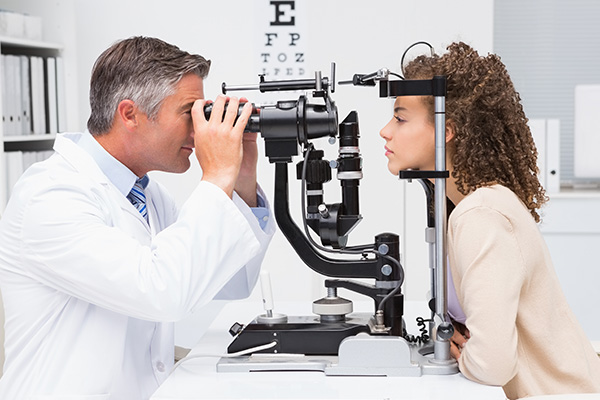
Routine eye exams become increasingly important with age because many vision-threatening conditions develop silently. Vision often changes so gradually that problems remain unnoticed until daily activities are significantly affected. Comprehensive exams assess more than visual sharpness; they evaluate eye pressure, internal structures, circulation, and overall eye health. This broader approach allows early identification of conditions before irreversible damage occurs.
Eye exams also support timely prescription updates that improve clarity and reduce strain. Even small prescription changes can significantly enhance reading comfort, screen use, and night vision. Discussions during exams often include lifestyle factors and health conditions that influence eye health, supporting a more complete approach to vision care as needs change over time.
Protecting Vision Through Lifestyle Choices
Everyday habits play a meaningful role in long-term eye health. Nutrition supports vision, particularly diets rich in leafy greens, colourful vegetables, omega-3 fatty acids, and antioxidants. These nutrients help protect the retina and support overall eye function. Staying hydrated also supports tear production, reducing dryness and irritation.
Regular physical activity improves circulation and helps manage conditions such as high blood pressure and diabetes that can affect vision. Limiting smoking and moderating alcohol intake further reduce risks associated with eye disease. Wearing sunglasses that block ultraviolet light protects the eyes from cumulative sun exposure, which contributes to cataracts and retinal damage over time.
Adapting Vision Care to Changing Needs
As vision evolves, adaptive solutions help maintain comfort and clarity. Multifocal lenses, task-specific eyewear, and specialized lens coatings can improve reading, screen use, and glare sensitivity. Advances in lens technology provide smoother transitions between distances and better visual performance across environments. Managing dry eye through treatment plans or environmental adjustments also improves comfort.
Small changes at home make a significant difference. Improved lighting, higher-contrast materials, and reduced clutter help support safety and ease of movement. Adjustments such as larger print, task lighting, or screen magnification reduce strain without disrupting daily routines. These strategies help preserve independence and confidence as visual demands change.
When Vision Changes Need Immediate Attention
Not all vision changes are part of normal aging. Sudden vision loss, flashes of light, new floaters, or eye pain require prompt evaluation. These symptoms may signal serious conditions that need urgent care. Changes in peripheral vision or rapid loss of clarity should also be assessed quickly, regardless of age or previous eye health.
Delaying evaluation often limits treatment options and increases the risk of permanent vision loss. Paying attention to warning signs and responding quickly supports better outcomes and long-term visual health.
Clear Vision Doesn’t Retire
Aging affects vision, but declining eyesight does not have to define later life. Understanding age-related changes, recognizing early warning signs, and taking proactive steps help maintain strong, functional vision over time. Regular eye exams, healthy habits, and adaptive solutions support clarity, comfort, and independence at every stage. Vision care is not about stopping time — it is about seeing clearly through it.