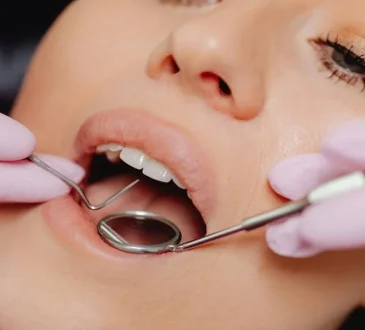
You sit in the dental chair, hear a recommendation, and your mind starts racing. Is this urgent, expensive, painful, avoidable, or something you should have done right away? That reaction is normal. Most people are not confused because they are careless. They are confused because dental treatment often gets explained in a rushed moment, with tools in your mouth and a lot to take in at once, especially when discussing options like dental implants in Perrysburg.
The good news is that you do not need to guess. The right questions can turn a stressful appointment into a clear decision. When your family dentist recommends treatment, you deserve to understand what is happening, why it matters, what your options are, and what could happen if you wait. These questions to ask your dentist before a procedure help you slow the conversation down and make a choice you can live with.
Clear Questions About a Recommended Dental Procedure Reduce Stress and Regret
A dental recommendation can mean many things. It might be a filling for a small cavity, a crown for a cracked tooth, treatment for jaw pain, or care for gum disease. Each one carries its own timeline, cost, and level of urgency. If the explanation is vague, people often do one of two things. They agree without understanding, or they put it off because they feel unsure. Neither feels good later.
Start with the most basic question. Ask, “What exactly are you seeing?” That opens the door to a plain language explanation. If you have a cavity, your dentist should be able to show you where it is and explain why a filling is the recommended fix. The National Institute of Dental and Craniofacial Research offers a helpful overview of dental fillings, including the types and when they are used.
Ask what happens if you do nothing for now. This question matters because not every issue moves at the same speed. A tiny area that can be watched is different from a deep cavity close to the nerve. Bleeding gums are different from advanced periodontal disease. The CDC explains how gum disease can progress, often quietly, until teeth and bone are affected. Knowing the likely path of the problem helps you judge urgency instead of reacting only to fear.
Ask whether there are treatment options. Sometimes there is one clear best choice. Sometimes there are two or three reasonable paths, each with tradeoffs. A crown may last longer than a filling in one situation, but it also costs more and removes more tooth structure. If you clench your jaw or have chronic facial pain, your dentist may mention bite issues or temporomandibular disorders. The NIDCR has a solid guide to TMD that can help you understand why jaw symptoms do not always have a simple answer.
Ask about the downside of each option. People often hear the benefits and miss the limits. How long will the restoration last? Will the tooth be more sensitive afterward? Is there a chance you will need a root canal later if the tooth is already badly damaged? These are not alarmist questions. They are practical questions. A good explanation should leave you more settled, not more pressured.
Ask how the procedure will affect your daily life for the next few days. Can you eat normally? Will you need time off work? Will your child miss school if this is for a pediatric patient in your household? If the answer is, “You may be sore for a day or two,” that gives you something concrete to plan around. If the answer is, “You should avoid chewing on that side for a while,” that changes meal planning and expectations.
Ask about cost, insurance, and what can wait if your budget is tight. This is where many people feel embarrassed, and they should not. Dental work is healthcare, but it is also a real financial decision for many families. You can ask which part is urgent, which part is preventive, and whether treatment can be staged safely over time. A thoughtful dental procedure consultation should include the money side, not treat it like an afterthought.
Ask what success looks like and how it will be monitored. If you are getting a filling, success may mean no pain and no signs of further decay at your next exam. If you are treating gum disease, success may mean reduced bleeding, shallower pockets, and improved home care. Clear follow up markers help you know whether treatment worked or whether something still needs attention.
Comparing Urgency, Options, and Daily Impact Makes the Decision Easier
| Question to Ask | Why It Matters | Example of a Useful Answer |
|---|---|---|
| What exactly is the problem? | Confirms the diagnosis in plain language | “This tooth has decay between the teeth, and it has passed the enamel.” |
| How urgent is this? | Helps you prioritize care and budget | “This should be treated within a few weeks before it gets deeper.” |
| What are my treatment options? | Shows whether there is more than one reasonable path | “A filling may work now. A crown may be needed if the crack extends.” |
| What happens if I wait? | Clarifies risk of delay | “You may go from mild sensitivity to infection or a root canal.” |
| What will this cost me? | Reduces surprise bills and stress | “Here is the estimate with insurance and the out of pocket amount.” |
| What will recovery be like? | Helps with work, school, and meals | “You can return to normal activity today, but expect numbness for a few hours.” |
| How will we know it worked? | Creates clear follow up expectations | “We will recheck symptoms and take follow up images at your next visit if needed.” |
Simple Steps Help You Get Better Answers From Your Family Dentist
Write your questions down before the appointment.
People forget half of what they meant to ask once the visit starts. A short list on your phone is enough. Put the hardest question on top, especially if it is about cost, urgency, or whether you have choices.
Ask for plain language and visuals.
If you hear technical terms, ask for a simpler explanation. Ask to see the X ray, photo, or model. Seeing the crack, cavity, or bone loss often makes the recommendation easier to understand and trust.
Pause before saying yes to anything unclear.
You do not need to decide in a fog. If something still feels confusing, ask for a written treatment plan or a follow up conversation. This is especially useful when the recommendation involves major work, multiple visits, or a large bill. Seeking clarity is not being difficult. It is being careful.
Good Dental Decisions Start With Calm, Honest Conversation
If you have been told you need treatment and your first feeling was doubt, stress, or sticker shock, you are not overreacting. You are trying to make sense of your health, your time, and your money all at once. Questions to ask about dental treatment are not a challenge to your provider. They are part of good care.
The right family dentist will welcome those questions, answer them clearly, and help you understand what needs attention now and what can be planned. When you leave the office knowing the problem, the options, the risks, and the next step, the decision gets lighter.