Portion control is often seen as the holy grail of healthy eating, but for many Americans navigating a fast-paced lifestyle, it’s also one of the hardest concepts to get right. With growing health-conscious trends across the US, there’s a lot of misinformation about what it means to manage portions effectively. Unfortunately, some of these myths can lead to unnecessary confusion, deprivation, or even unhealthy habits.
It’s time to debunk the five biggest portion control myths and replace them with practical, sustainable strategies that actually work.
1. Myth: Portion Control Means Eating Less
A common misconception is that portion control is just a fancy term for extreme calorie-cutting. Many people associate it with tiny meals that leave you feeling starved and unsatisfied.
Reality:
Portion control is about balance, not deprivation. It’s more about understanding how much of each food group your body needs rather than drastically reducing your intake. For example, instead of cutting out carbs entirely, focus on serving sizes, like a tennis ball-sized portion of whole grains alongside veggies and protein.
2. Myth: You Don’t Need Portion Control If It’s Healthy Food
It’s easy to assume that you can eat as much as you want if the food is “clean” or nutrient-rich. After all, how bad could too much quinoa or avocado really be?
Reality:
While healthy foods are a better choice than processed snacks, overeating them can still lead to excessive calorie intake. For instance, avocados and nuts are packed with healthy fats, but they’re also calorie-dense. Eating them in unlimited quantities can derail your goals.
3. Myth: Restaurant Portions Are Normal
Super-sized meals and all-you-can-eat buffets have skewed our perception of what a normal portion looks like. Many restaurant servings are two to three times larger than what you’d typically eat at home.
Reality:
Most restaurant portions are far from a single serving. A “normal” steak in a restaurant can easily be 8-12 ounces, while a recommended portion is closer to 4-5 ounces.
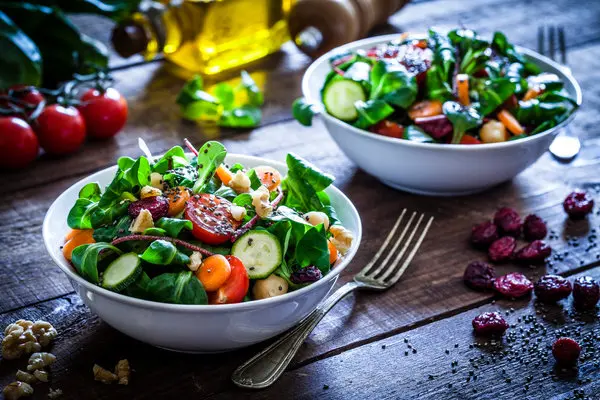
4. Myth: Portion Control Means Skipping Snacks
Some believe portion control means sticking to three meals a day and avoiding snacks altogether to keep calories in check.
Reality:
Healthy snacking between meals can prevent overeating during lunch or dinner and maintain steady energy levels. It’s not about avoiding snacks, but choosing the right ones in the right amounts.
5. Myth: You Should Always Clean Your Plate
Many of us grew up with the idea that leaving food on your plate is wasteful. This mindset can lead to overeating, even when you’re already full.
Reality:
Listening to your body’s hunger cues is more important than finishing every bite. Overeating to avoid wasting food can negatively impact your health.
Conclusion
Portion control doesn’t mean restriction or endless measuring. It’s about reshaping your eating habits to match your body’s needs. Learning to listen to hunger cues, swapping the “clean plate” mentality for mindful eating, and rethinking oversized portions can make a big difference. By debunking these myths and adopting sustainable habits, you’ll not only enjoy your meals more but also support your long-term health goals. Remember, balance is key, and small changes can lead to lasting results.