Your skin is one of the first places to display signs of hormonal shifts. Whether it’s a breakout before a big meeting or a mysterious change in texture during a new phase of life, hormones play a significant role in skin health. For many Americans, balancing health-conscious trends with fast-paced lifestyles means paying extra attention to how the body responds to internal and external factors, including hormonal fluctuations.
Understanding the connection between hormones and skin is key to creating a skincare routine that adapts to your body’s needs. Here’s a closer look at how hormones influence your skin and some tips for tailoring your skincare approach accordingly.
The Role of Hormones in Skin Health
Hormones are like messengers that communicate between your body’s systems. When it comes to skin, they regulate everything from oil production to collagen synthesis. However, even slight imbalances can lead to noticeable changes in your skin’s appearance and behavior.
Common Hormonal Skin Influencers:
Androgens (Testosterone): These hormones stimulate oil glands in your skin, which can lead to acne or shine during times of higher production, such as puberty or certain menstrual phases.
Estrogen: Known as the skin’s “plumping agent,” estrogen helps maintain hydration, elasticity, and smoothness. Declining estrogen levels, especially during menopause, can lead to dryness and loss of firmness.
Cortisol (Stress Hormone): High levels of cortisol during stressful periods can increase inflammation, trigger acne, and compromise the skin’s natural barrier.
Progesterone: This hormone can cause water retention and swelling, sometimes giving the skin a puffy or congested appearance during menstruation.
These hormonal shifts occur naturally throughout life, but factors like stress, diet, and sleep patterns can amplify or balance their effects.
Tailoring Your Skincare to Hormonal Changes
The good news is that you don’t have to be at the mercy of your hormones. By understanding predictable hormonal patterns and how they influence your skin, you can make smarter decisions about your skincare routine.
-
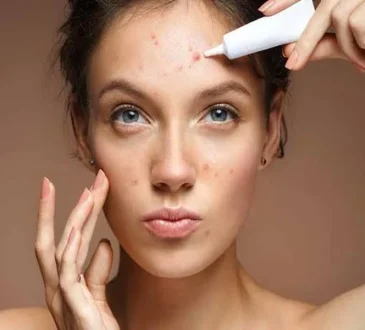
Combat Hormonal Acne with Oil Control
When It Happens: Higher androgen levels, such as during puberty, certain menstrual phases, or stress, often lead to breakouts.
Skincare Strategy:
Use a gentle cleanser with salicylic acid to unclog pores without stripping the skin.
Incorporate a lightweight, oil-free moisturizer to maintain hydration without adding to shine.
Spot-treat pimples with benzoyl peroxide or tea tree oil to mitigate inflammation.
-
Nourish Dry, Aging Skin During Hormonal Declines
When It Happens: Estrogen levels drop during menopause or postpartum periods, reducing skin hydration and elasticity.
Skincare Strategy:
Switch to a richer moisturizer with hyaluronic acid or ceramides to lock in hydration.
Add products containing retinol or peptides to boost collagen production.
Protect against further moisture loss with SPF, as thinning skin becomes more vulnerable to sun damage.
-
Soothe Stress-Induced Sensitivity
When It Happens: During stressful times, cortisol levels rise, weakening the skin’s barrier and causing redness or irritation.
Skincare Strategy:
Opt for calming products with ingredients like aloe vera, niacinamide, or chamomile.
Practice relaxation techniques such as meditation or yoga to lower cortisol levels.
Avoid over-exfoliating or using harsh treatments, as stressed skin is more prone to sensitivity.
-
Stay Ahead of Cyclical Skin Changes
When It Happens: During the menstrual cycle, estrogen, progesterone, and androgens fluctuate, leading to changing skin behaviors.
Skincare Strategy:
Track your cycle and adjust your routine proactively (e.g., focus on acne prevention mid-cycle and hydration closer to menstruation).
Use a detoxifying face mask once a week to reduce potential buildup in pores.
Building a Responsive Skincare Routine
To develop a skincare routine that works harmoniously with your hormones, consider keeping a skin journal. Track how your skin changes throughout the month and identify patterns tied to stress, diet, or cycle phases. Once you understand your unique hormonal landscape, you can create a flexible approach to skincare that evolves with you.
Investing in hormone-friendly skincare can also mean consulting a dermatologist if issues persist. For Americans balancing working life, parenting, and wellness trends, seeking professional guidance can simplify the process and save time in the long run.
Glow with Hormonal Harmony
Hormones may seem like a complex puzzle, but with insight and a tailored skincare routine, you can work with your body to achieve balanced, glowing skin. By staying mindful of your body’s needs and adapting your routines to meet them, you can transform hormonal challenges into opportunities for healthier, more radiant skin.
Skincare is about more than just products; it’s about understanding yourself. With the right approach, you’ll unlock your skin’s true potential, no matter where life (and your hormones) take you.