You wake up one morning and notice that the painful acne spot from last week has finally settled down. The swelling is gone, and the area feels calmer. But when you look closely, there is still a red or brown patch where the breakout used to be. It can be frustrating because the pimple may be gone, yet your skin does not look like it has fully moved on.
That period after a breakout can feel surprisingly long. The visible spot may disappear in days, while the skin around it takes much longer to return to its usual appearance. This is where patience becomes an important part of skincare.
Key Takeaways
- Acne can leave redness, dark spots, or changes in skin texture.
- Flat post-acne marks are different from permanent acne scars.
- Picking and squeezing can make the recovery period longer.
- Sun exposure can make some discoloration more noticeable.
- Gentle skincare helps avoid unnecessary irritation.
- Light-based care can be part of a broader skin wellness routine.
The Skin Is Still Recovering
When an acne spot becomes inflamed, the skin has to respond to that irritation. Even after the swelling goes down, the area may remain red, pink, brown, or darker than the surrounding skin.
The length of this recovery varies from person to person. A small breakout may leave a faint mark for a short time, while a deeper or more inflamed spot can leave a noticeable reminder for much longer.
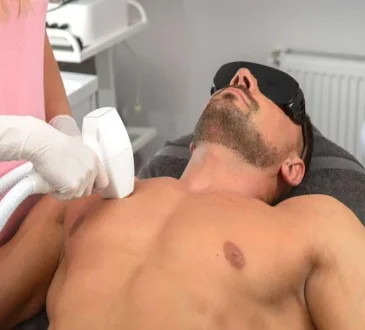
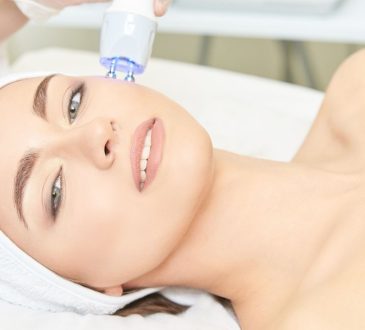
The recovery stage has also brought more attention to skin-focused routines that go beyond basic cleansing and moisturizing. For some people, red and blue light therapy fits into this conversation because different light wavelengths are being studied for their relationship with skin and inflammation. It is best considered a supportive part of skincare rather than a replacement for acne treatment or professional advice.
Not Every Mark Is an Acne Scar
A leftover mark can look dramatic when you see it every morning, but not every change means the skin has been permanently scarred. Flat red, pink, brown, or darker patches are often different from structural acne scars. They can gradually become less noticeable as the skin continues its normal renewal process.
True acne scars involve changes in the skin’s structure. They may appear as small indentations, uneven areas, or raised sections. These changes can require a different level of care, which is why identifying what you are dealing with matters.
What Can Make Recovery Take Longer?
It is easy to interfere with healing without realizing it. Squeezing a spot may feel satisfying for a moment, but it can increase irritation around the area. Constantly touching the face can have a similar effect. Harsh scrubbing can also leave recovering skin feeling dry, sensitive, and irritated.
Sun exposure deserves attention too. UV rays can make certain post-acne marks look darker and more noticeable. Regular sun protection can therefore be an important part of keeping discoloration from becoming harder to manage.
A Gentler Routine Gives Skin Time
After a breakout, there is often a temptation to change everything. A new cleanser appears. Then comes a strong exfoliant, another treatment, and perhaps another product when the first one does not show quick results.
Constant changes can make it difficult to know what is helping. They may also create additional irritation.
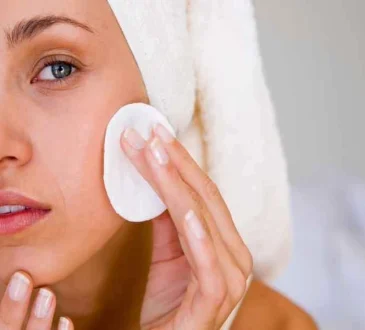
A simpler routine can be easier to maintain. Gentle cleansing, suitable moisturization, and daily sun protection can help support the skin barrier while the area settles. Good sleep, balanced meals, adequate hydration, and lower day-to-day stress also contribute to overall skin wellness. None of these steps promises instant results. Their value comes from consistency.
Clearer-Looking Skin Takes Time
Acne recovery does not always follow a neat timeline. One mark may fade while another appears. Some mornings, a patch may seem lighter, only to look more noticeable under different lighting later in the day. That does not necessarily mean the skin has stopped recovering.
The more useful goal is to avoid repeatedly irritating the area while giving the skin time to renew itself. If acne continues to appear frequently, becomes painful, or leaves significant scars, professional guidance can help determine what is happening beneath the surface.
The end of a breakout is only one part of the process. The skin still needs time to settle, repair, and regain a more even appearance. Sometimes, the most helpful thing you can do is give that process enough room to happen.