Caring for a loved one at home is a commitment rooted in compassion, but it can also be an overwhelming responsibility. As families navigate changing health needs whether due to aging, injury, chronic illness, or disability, specialized home care has become an essential resource that bridges the gap between professional support and the comfort of home. It offers personalized care, skilled services, and a supportive environment that helps individuals live safely and independently while giving families peace of mind.
Personalized Care That Focuses on Individual Needs
The personalization of the specialized home care is one of the greatest strengths of the practice. The home care unlike the institutional set up is adaptive to the individual routines, preferences, and comfort of the person being assisted. The care providers spend some time to know the physical, emotional, and social needs of an individual, and develop a care plan that fits his/her goals and lifestyle. This personalized approach can substantially enhance the results of recovery in a person who is undergoing surgery or dealing with a long-term condition.
Complex conditions are also easier to support by way of personalized home care. Starting with mobility assistance and medication management and going to specialized dementia services, services are designed to meet specific challenges. The flexibility will enable care professionals to modify services according to need change, thereby rendering consistent and appropriate services. Moreover, the individual care which caregivers give encourages building of trust and better relations and the clients are able to express themselves without any hesitation with regard to their needs and preferences.
Promoting Safety and Independence at Home
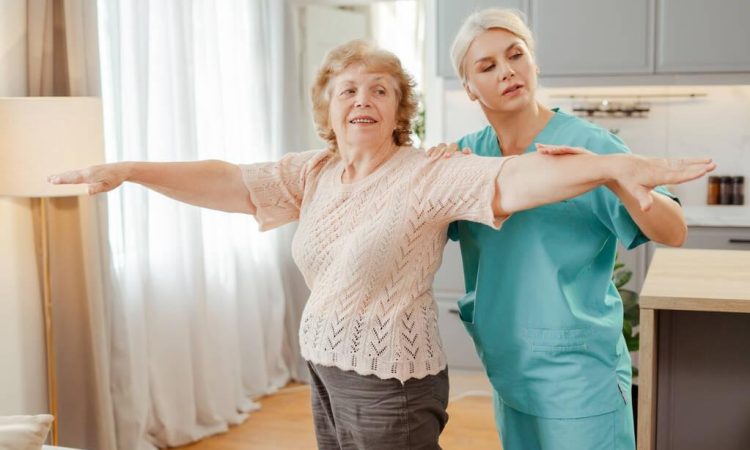
Home is not a place to go to sleep but to feel the most secure and connected and valued. Special home care makes sure that the person still has the chance to stay in this comfortable place and make them get professional help. In the case of elderly people, this may minimize chances of falls, increase nutrition and generally increase safety particularly when professional caregivers are provided and they understand the special risks involved in aging.
Caregivers assist in day to day routines like bathing, dressing, preparation of meals and mobility. They also keep track of health changes and report them to the family members or healthcare providers to discuss the concerns at an early stage. This is a proactive strategy that enables people to be independent without compromising on proper supervision. With a safe atmosphere and mitigating threats before they escalate to uncontrollable levels, specialized home care will allow clients to spend their time in their homes without fear or worry.
Supporting Emotional and Mental Well-Being
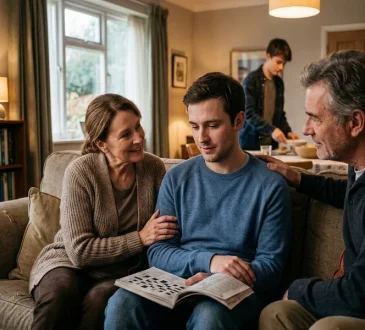
In addition to physical care, specialty home care is based on the emotional and psychological needs of the clients. The environment, the same routine, and the familiar caregiver can help in minimizing the stress, anxiety, and confusion, particularly among individuals who experience memory lapses or cognitive inflexibility. Home care requires companionship which is a crucial human interaction and lessens loneliness and enhances the general quality of life. Read this for reference.
Care providers tend to involve clients in what they like doing either reading, gardening, playing games or taking a brisk walk. Such instances of relationship are as significant as any medical business and they add richness to day-to-day living and sense of dignity and purpose. This emotional support may prove to have positive effects on physical health, in most cases lifting morale and getting clients to remain active and interested.
Relieving Stress for Family Caregivers
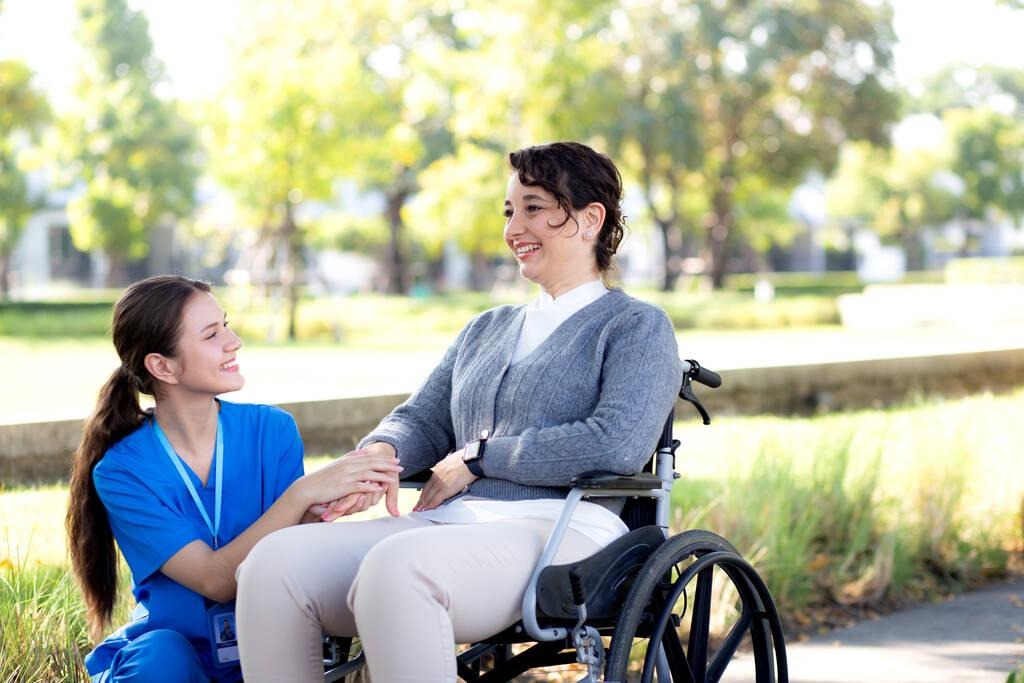
Family members who assume the duty of care giving typically experience both body and emotional depletion. The specialized home care can alleviate this pressure by providing professional assistance to trusted professionals. Home care services offer flexibility which helps a family strike a balance in their lives regardless of whether they require part-time assistance, overnight care or full time assistance.
The family can confidently relax, work and perform other duties without guilt since they know that their loved one is in good hands. This support system makes the environment healthier to all the involved parties and helps caregivers to be in a position where they feel their emotional presence, as well as minimizing the chances of burnout. Go to this site to read more.
Conclusion
As populations are becoming older, more and more chronic illnesses are being diagnosed, and more people are favoring in-home-based care over other care options, specialized home care is becoming an inevitable component of the present-day health system. It makes people have the authority to grow old and safely in their comfort zone- at home. It also enables families to be in touch with their loved ones and not have the worry of taking care of them all the time.
Specialized home care does not only deal with help with daily living, but quality of life, dignity, and independence. With continued development of the healthcare industry these services will be an essential provision to those individuals and families who require professionally provided caring, loving care at the location that matters the most, home.