




14views

You brush when you remember, floss when you feel guilty about not flossing, and promise yourself you will drink less soda or stop chewing ice after the next dental visit. That pattern is common. Oral health often lives in the background until something hurts, bleeds, or turns into an expensive fix. By then, the issue is no longer just about teeth. It affects what you eat, how you sleep, how confident you feel, and how much money you need to spend to get back on track, sometimes leading to the need for implant restoration Toronto.
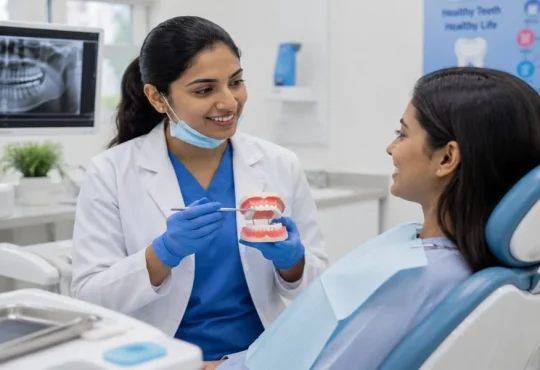
How General Dentistry Encourages Healthier Choices In Daily Routines comes down to something simple. Regular dental care gives you clear feedback, early warnings, and practical habits that are easier to keep. A general dentist does more than clean teeth. They often help you notice the daily choices that shape your health, from snacking and stress to sleep and tobacco use.
General dentistry connects daily habits to long term health
Small routines build slowly, which is why they are easy to ignore. Skipping flossing for a week does not feel dramatic. Sipping sweet coffee all morning feels harmless. Mouth breathing at night, clenching your jaw during work, or using your teeth to open packages can seem like minor things. Over time, they leave marks. Gums get inflamed, enamel wears down, breath changes, and cavities form in places you do not check.
A general dentist often spots these patterns before you do. Bleeding gums can point to inconsistent cleaning. Worn edges may show grinding. Frequent decay may connect to dry mouth, diet, or certain medications. That is where routine dental care and healthy habits start to reinforce each other. You are not just told that something is wrong. You are shown what daily behavior is creating the problem and what to change before it gets worse.
This matters because oral health is tied to overall health. The federal Healthy People initiative tracks oral conditions as part of broader public health goals, which you can explore through these oral health objectives. Your mouth is not separate from the rest of your body. Inflammation, infection, nutrition, sleep quality, and self care all meet there.
Daily choices feel small until they become painful or expensive
You may already know what you should do. That is rarely the problem. The problem is that daily life gets crowded. You get home late, fall into bed, and skip flossing. You snack while driving between errands. You keep putting off a checkup because nothing hurts yet. Then one day cold water stings, your gums bleed every time you brush, or a filling turns into a root canal because the issue sat too long.
That is where general dentistry changes behavior in a real way. A checkup turns vague guilt into specific action. Instead of “I should take better care of my teeth,” it becomes “I need a softer brush because I am brushing too hard,” or “I need to stop sipping sports drinks all afternoon because acid is wearing down my enamel.” Specific advice is easier to follow than shame.
The same pattern shows up with tobacco, alcohol, and sugar. Many people do not connect these habits to dry mouth, staining, gum disease, and delayed healing until a dentist points it out plainly. If you want a grounded overview of prevention, the CDC shares oral health tips for adults that support the same message. Prevention works best when it becomes part of your routine instead of a reaction to pain.
General dental care supports better routines at home
General dental care works best when office visits and home habits support each other. One without the other usually leads to frustration. You can brush twice a day and still miss trouble between the teeth. You can get a cleaning every six months and still deal with decay if your daily diet keeps feeding it.
| Daily Routine Choice | What Often Happens at Home | How a General Dentist Helps |
|---|---|---|
| Brushing too fast or too hard | Gum irritation, enamel wear, sensitivity | Shows proper technique and recommends the right brush |
| Skipping flossing | Plaque buildup between teeth, bleeding gums, bad breath | Finds early gum inflammation and explains where decay starts |
| Frequent sugary or acidic drinks | Higher cavity risk, enamel erosion | Tracks wear patterns and suggests realistic diet changes |
| Ignoring dry mouth | More decay, discomfort, trouble swallowing | Reviews medications, hydration, and protective options |
| Putting off checkups | Small issues become bigger and costlier | Catches problems early when treatment is simpler |
Reliable health sources also reinforce the basics. MedlinePlus offers a clear summary of dental health information, including prevention, common conditions, and treatment options. That kind of information is useful because it keeps the focus on doable habits, not fear.
Three steps that make healthier routines easier to keep
Track what you do for one week. Write down when you brush, floss, snack, drink coffee or soda, and notice sensitivity or bleeding. Most people think they know their habits until they see them on paper. Patterns show up fast, and once you can see them, you can change them.
Fix one high impact habit first. Do not try to become perfect overnight. Start with the behavior causing the most damage. That may be nighttime brushing, daily flossing, cutting back on sugary drinks, or wearing a night guard if you grind your teeth. One steady change beats a burst of effort that fades in a week.
Use dental visits as a reset point. A general dentist can help you adjust your routine before small problems grow. Ask direct questions. Is your brushing technique working? Are your gums improving? Are there signs of grinding, dry mouth, or diet related decay? That turns an appointment into a practical check on your daily routine, not just a cleaning.
Healthier habits often start with one honest dental visit
You do not need a perfect routine to improve your oral health. You need a clear starting point and a few habits you can actually maintain. That is how preventive dentistry and daily wellness fit together. General dentistry helps you connect everyday choices to real outcomes, which makes healthy decisions feel less abstract and more worth keeping.
If your routine has slipped, you are not alone, and you are not stuck there. A general dentist can help you catch problems early, build better habits, and make daily care feel manageable again.
add a comment

7 Dental Concerns More Common In Children Born Prematurely
If your child was born early, you have already carried more worry than most parents ever expect. Every appointment can...

4 Questions To Ask About Repairing A Chipped Baby Tooth Crown
You saw the chip, your child may not even seem bothered, and yet your mind went straight to the same...


7 Questions To Ask About A Recommended Dental Procedure
You sit in the dental chair, hear a recommendation, and your mind starts racing. Is this urgent, expensive, painful, avoidable,...


5 Reasons Gum Bleeding Shouldn’t Be Ignored
You see pink in the sink after brushing and tell yourself it was probably the toothbrush, maybe flossing too hard,...
