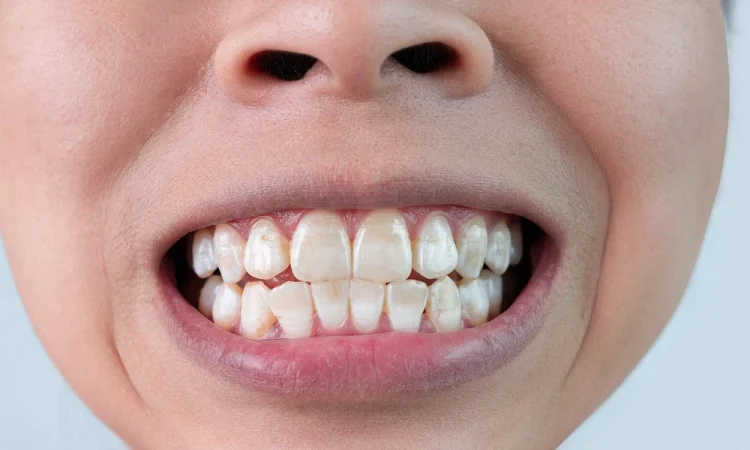
You finally get your braces off, you look in the mirror, and instead of seeing only the straight smile you worked so hard for, you notice pale marks on your teeth. That can feel discouraging, and if you are working with an orthodontist in Chicago, IL, it may leave you with even more questions. You did the appointments, the adjustments, the sore days, and the patience, so seeing white spots after all of that can be upsetting and confusing.
If that is where you are right now, you are not overreacting. White spots after braces are common, and they usually point to early enamel damage caused by plaque sitting around brackets for too long. The good news is that these marks can often be prevented, and in many cases, improved with the right dental care. If you are still in treatment, this is the time to protect your smile. If your braces are already off, there are still ways to move forward.
Why do white spots show up after braces in the first place?
These spots usually form when plaque builds up around brackets and wires, especially near the gumline. Plaque contains bacteria that feed on sugars from food and drinks. As that happens, acids are released, and those acids start pulling minerals out of the enamel. This early stage of decay is called demineralization.
Because braces create more places for food and plaque to hide, keeping teeth clean becomes harder during orthodontic treatment. That is why white spots after braces can appear even in people who never had major dental problems before. According to MedlinePlus information on tooth decay, plaque and acid attacks are key reasons enamel begins to break down.
So, what do these marks actually mean? In many cases, they are the first visible sign that enamel has lost minerals. They may look chalky, dull, or brighter than the rest of the tooth. They are not always cavities yet, but they are a warning sign that deserves attention.
Are white marks after orthodontic treatment permanent?
That depends on how early they are caught and how deep the enamel change goes. Some white marks after orthodontic treatment can fade over time with strong home care, fluoride, and mineral support. Others may need treatment from a dentist, such as fluoride varnish, bonding, microabrasion, or resin infiltration.
This is where many people get stuck emotionally. You may wonder, if braces were supposed to improve your smile, why did this happen at all? The answer is not always neglect. Sometimes it is a mix of things, including crowded teeth, dry mouth, frequent snacking, sports drinks, or simply struggling to clean around hardware that was hard to reach.
Still, the longer plaque sits on teeth, the greater the risk. MedlinePlus explains that plaque is a sticky layer of bacteria that constantly forms on teeth, which is why daily removal matters so much during braces treatment.
What makes braces increase the risk of enamel spots?
Braces do not damage enamel on their own. The issue is what gathers around them. Brackets and wires trap food, and they make normal brushing less effective if your routine is rushed. If you miss the areas around the brackets, acids can sit there day after day.
You might also be dealing with habits that seem harmless at first. Sipping soda through the afternoon, snacking often, or skipping brushing after school or work can all add up. Even healthy foods can become a problem if debris stays packed around the brackets. The American Dental Association’s guide to braces and oral care points out how important cleaning around orthodontic appliances is during treatment.
Because of this, people often ask a fair question. Is this just cosmetic, or is it a sign of something bigger? In many cases, it is both. The spots may affect how your smile looks, but they can also signal the early stages of decay.
What helps more, home care or professional treatment?
Both matter, and they work best together. Home care helps prevent new damage and may improve mild spots. Professional care becomes important when the spots are deeper, widespread, or not getting better.
| Approach | Best For | What It Can Do | Limits |
|---|---|---|---|
| Fluoride toothpaste and careful brushing | Mild early demineralization | Helps strengthen enamel and lower new plaque buildup | May not fully erase visible spots |
| Flossing with braces tools or water flossing | Daily prevention during treatment | Removes debris between teeth and near gums | Needs consistency to work well |
| Diet changes, less sugar and fewer acidic drinks | Anyone in braces or after removal | Reduces acid attacks on enamel | Does not reverse deeper damage by itself |
| Professional fluoride or calcium based treatments | Early to moderate white spot lesions | Supports remineralization | Results vary by severity |
| Bonding, resin infiltration, or microabrasion | Persistent or more visible spots | Improves appearance and blends enamel | Requires a dental evaluation and cost varies |
What can you do right now to prevent white spots on teeth from braces?
If you still have braces, prevention starts today. If your braces are off, these steps can still help protect enamel and keep early damage from getting worse.
Clean around every bracket, not just the obvious surfaces.
Brush after meals if you can, and give extra attention to the gumline and the edges around brackets. Use a soft toothbrush, an orthodontic brush, or an electric brush if that helps you be more thorough. Floss with tools made for braces, or use a water flosser if traditional flossing has been too hard to keep up with.
Watch how often sugar and acid hit your teeth.
It is not only about candy. Sports drinks, soda, juice, sweet coffee drinks, and frequent snacking keep feeding plaque. Try to limit how often your teeth are exposed, and rinse with water after eating or drinking when brushing is not possible.
Ask your dentist or orthodontist about early treatment.
If you notice chalky spots forming, do not wait and hope they disappear on their own. An orthodontist or dentist can check whether the enamel is just starting to weaken and may suggest fluoride treatments or other options before the spots become harder to manage.
So where does that leave you?
White spots can feel like an unfair ending to a long braces journey, but they do not mean your smile is ruined. They usually mean your enamel needs attention, and the earlier you act, the better your options tend to be. Whether you are trying to prevent braces white spot lesions or deal with marks you have already noticed, steady home care and professional guidance can make a real difference.
If you are concerned about white spots after braces, schedule a visit with an orthodontist or dentist and get a clear look at what is happening. A small step now can help protect the smile you worked so hard to achieve.