Teeth whitening is designed to lighten the colour of natural teeth by reducing certain stains and discolouration. However, previous dental work can influence how even the final result appears because restorative materials do not respond to whitening agents in the same way as natural tooth structure.
Fillings, crowns and veneers may retain their existing shade while the surrounding natural teeth become lighter. Understanding this difference is useful when considering affordable teeth whitening in Singapore, particularly when restorations are visible when smiling.
A dental assessment can identify existing restorations and help determine how they may affect the expected whitening result. This can also help with planning if other dental procedures, such as Invisalign treatment, are being considered.
How Does Teeth Whitening Work on Natural Teeth?
Professional teeth-whitening products commonly use peroxide-based bleaching agents, such as hydrogen peroxide or carbamide peroxide. These agents penetrate the tooth structure and break down coloured compounds responsible for some forms of staining.
The degree of whitening can vary between individuals. Factors that can affect the outcome include:
- The original shade of the teeth
- The type and cause of discolouration
- The concentration and application of the whitening product
- Previous dental treatment
- Existing restorations on visible teeth
Whitening primarily changes natural tooth structure. Dental materials used for fillings, crowns and veneers generally do not undergo the same bleaching effect.
This difference is important because a restoration originally matched to the surrounding teeth may appear darker once those natural teeth have been whitened. The next sections explain how this applies to different types of dental restorations.
How Can Existing Fillings Affect Teeth Whitening Results?
Dental fillings may be made from several materials. Tooth-coloured composite resin is commonly used in areas where appearance is important, particularly on visible surfaces.
Whitening agents can lighten the natural tooth surrounding a composite filling, but they do not reliably lighten the filling material itself. As a result, a filling that previously blended with the tooth may become more noticeable after whitening.
The visual effect depends partly on where the filling is located:
- Front teeth: Colour differences may be more visible because these teeth are prominent when speaking or smiling.
- Back teeth: Shade differences may be less noticeable because these areas are generally less visible.
- Large restorations: A colour difference may be more apparent when a filling covers a substantial visible area.
Existing fillings do not automatically need replacement after whitening. If a visible restoration no longer matches the surrounding tooth, a dentist can assess whether replacement for colour matching is appropriate.
In summary, whitening can change the natural tooth around a filling without significantly changing the filling itself. This possibility should be considered before undergoing affordable teeth whitening.
How Can Existing Crowns Affect Teeth Whitening Results?
A dental crown covers much or all of the visible portion of a prepared tooth. Crowns can be made from materials including ceramic, porcelain-based materials, zirconia and metal-containing restorations.
The colour of a crown is selected when the restoration is made. Conventional whitening products do not predictably bleach these restorative materials to a lighter shade.
This can create several considerations:
- A crown matched to the original tooth shade may appear darker after adjacent natural teeth are whitened.
- A crown on a front tooth may make a shade difference particularly noticeable.
- Multiple crowns may affect how uniform the overall smile appears after whitening.
- Replacing a crown solely for colour matching requires a separate dental procedure and should be assessed individually.
Treatment sequence can therefore matter. When whitening and restorative dental work are both planned, dentists may consider the intended final tooth shade before selecting the colour of a new crown.
Similar planning may be relevant when whitening forms part of a wider dental plan alongside procedures such as Invisalign treatment. Overall, crowns generally retain their existing colour while natural teeth may become lighter.
How Can Existing Veneers Affect Teeth Whitening Results?
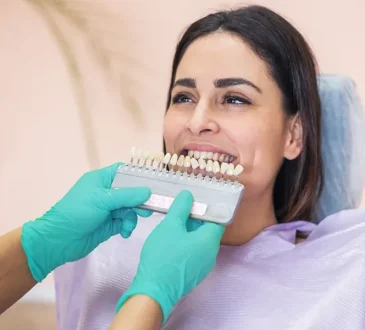
Veneers are thin restorations placed over the front surface of teeth, commonly using porcelain or composite materials. Their shade is selected as part of the treatment process and is not expected to lighten predictably with conventional tooth-whitening products.
The effect of whitening depends on where veneers are positioned relative to natural teeth. For example, whitening untreated neighbouring teeth may create a visible shade difference if the veneers remain at their original colour.
Important factors include:
- How many teeth have veneers
- Whether the veneers are on highly visible front teeth
- The existing shade of the veneers
- The amount of natural tooth structure visible around them
- The final shade reached by neighbouring natural teeth
Whitening should therefore be planned with existing veneers in mind. A dentist can assess whether whitening is likely to create a noticeable mismatch and whether any additional restorative treatment needs consideration.
In summary, veneers, like fillings and crowns, generally retain their existing shade while natural teeth can respond to bleaching. Reviewing existing dental work beforehand can help establish realistic expectations for the final appearance.
Planning to whiten your teeth? Contact Canaan Dental today.