You may have been putting this off for months, maybe years. A little bleeding when you brush. A tooth that started as a dull ache and now flares when you drink something cold. Bad breath that keeps coming back no matter what mouthwash you try. Neglected oral health often builds this way, slowly enough that you adjust to it, until one day eating, smiling, and even sleeping feel harder than they should. In some cases, treatment such as root canal therapy in Brookhaven, GA may be needed to address the problem.
Shame keeps a lot of people out of the dental chair. Cost does too. So does fear of hearing that the damage is worse than expected. The good news is simple. General dentists see this every day, and their job is not to judge you. Their job is to figure out what is happening, stop it from getting worse, ease pain, and help you rebuild your oral health one step at a time.
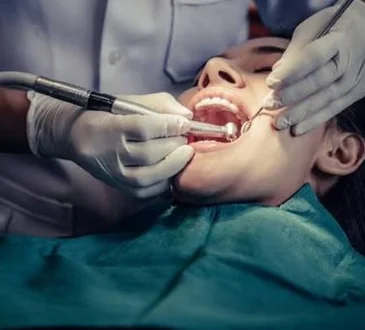
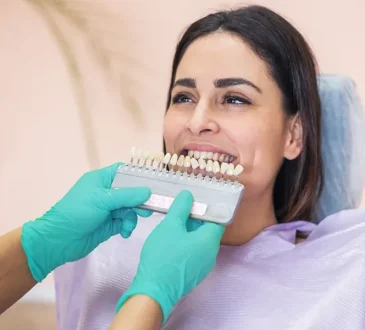
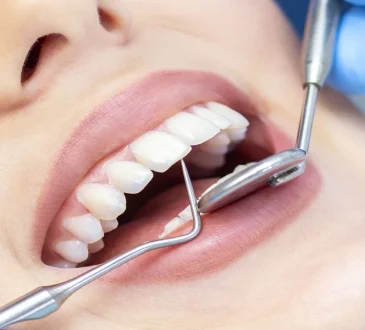
Dental care for neglected teeth usually starts with a full exam, X-rays if needed, and a plan that deals with the most urgent problems first. That may mean cleaning away years of plaque and tartar, treating decay, managing gum disease, and setting up home care that feels realistic instead of overwhelming. Recovery is rarely instant, but it is absolutely possible.
Neglected oral health creates problems that spread beyond your teeth
When oral health has been ignored for a while, the damage is rarely limited to one spot. Plaque hardens into tartar. Gums become inflamed and may bleed. Small cavities deepen. Teeth can crack under pressure because they have already been weakened from the inside. If infection reaches the tooth pulp, pain tends to become sharper and less predictable.
That is why a general dentist begins by sorting out what needs attention now and what can wait. You might need a filling on one tooth, a deep cleaning for your gums, and a plan to watch a few early problem areas. If there is swelling, infection, or severe pain, those issues move to the front of the line.
Gum disease is one of the most common results of delayed care. The National Institute of Dental and Craniofacial Research explains how gum disease can progress from gingivitis to periodontitis, which can damage the tissue and bone that support your teeth. Tooth decay follows a similar pattern. Early decay may be painless, but untreated cavities can spread deeper into the tooth and lead to infection. The NIDCR outlines how tooth decay develops and why treatment matters.
You may be worried that a dentist will tell you everything needs to be done at once. In most cases, that is not how recovery works. A good general dentist breaks treatment into phases so the process feels manageable. Pain relief comes first. Disease control comes next. Repair and maintenance follow.
General dentists rebuild oral health with a step by step treatment plan
Recovery from neglected oral health is usually part medical care, part problem solving. If your gums are inflamed and your teeth have untreated decay, the dentist needs to lower bacteria levels before long term repairs have a chance to last. That may include a professional cleaning or scaling treatment, fluoride, fillings, crowns, or referrals for advanced care if a root canal or extraction is needed.
There is also the daily reality you live with outside the office. Maybe brushing makes your gums bleed, so you avoid brushing as thoroughly as you should. Maybe you snack often because of a long work shift, or dry mouth from medication has made cavities more likely. Maybe anxiety has kept you from booking the visit in the first place. These details matter because recovery depends on a plan that fits your actual life.
The scale of the problem is more common than many people think. The CDC reports in its oral health facts on cavities that cavities are one of the most common chronic conditions. You are not the only person trying to come back from a long gap in care, and you are not beyond help because things have gotten worse than you wanted them to.
Professional dental treatment works where home fixes fall short
| Concern | What people often try at home | How a general dentist helps |
|---|---|---|
| Bleeding gums | Brush less, switch mouthwash, hope it settles down | Removes tartar below and above the gumline, checks for gingivitis or periodontitis, creates a cleaning schedule |
| Tooth pain | Pain relievers, avoiding one side of the mouth | Finds the cause with an exam and X-rays, treats decay, cracks, infection, or bite issues |
| Bad breath | Mints, gum, stronger toothpaste | Treats buildup, gum infection, decay, dry mouth, and other sources of odor |
| Visible decay or broken teeth | Avoid chewing there, delay care until it gets worse | Repairs damage with fillings, crowns, bonding, or plans for replacement if needed |
| Long gap in care | Wait for the perfect time or more money | Prioritizes urgent needs first and stages treatment to make recovery more realistic |
Recovering from poor oral health is often less about one big procedure and more about stopping the cycle. Once the infection, inflammation, and active decay are under control, eating becomes easier, brushing hurts less, breath improves, and future treatment often becomes simpler and less expensive.
Small, immediate steps make dental recovery feel possible
1. Book the exam before you feel ready. Waiting for confidence usually means waiting longer while the problem grows. A first visit gives you facts, not guesses, and that alone can lower stress.
2. Write down what has been happening. Note pain, bleeding, sensitivity, broken teeth, swelling, and anything that affects sleep or eating. This helps the dentist spot patterns and address the most urgent issues first.
3. Start a simple home routine you can keep. Brush twice a day with fluoride toothpaste, clean between teeth once a day, and cut down on frequent sugary snacks and drinks. Perfection is not required. Consistency is what changes the direction of your oral health.
General dental care can help you start over without judgment
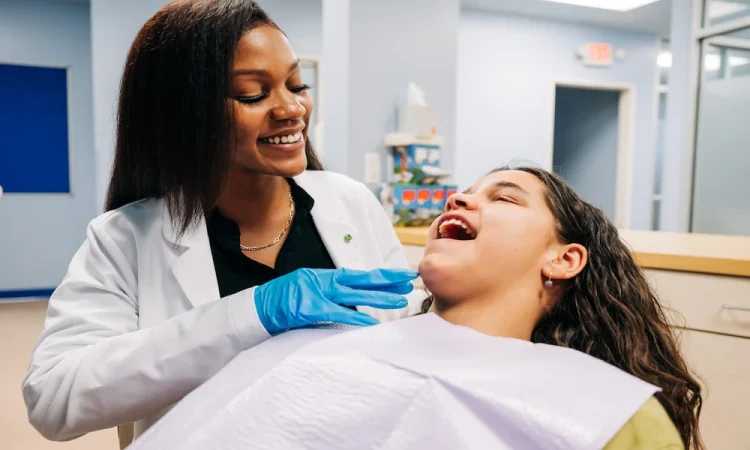
You do not need a perfect history to get good care. You only need a starting point. General dentists help patients recover from neglected oral health by treating pain, controlling disease, repairing damage, and giving you a path that feels doable instead of punishing. If your mouth has been asking for help for a while, this is a good time to answer it and schedule a visit.