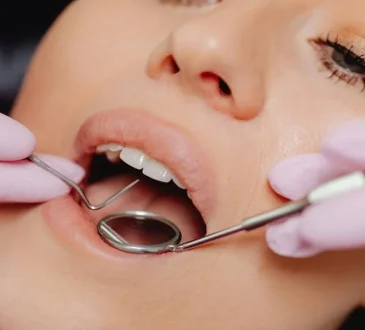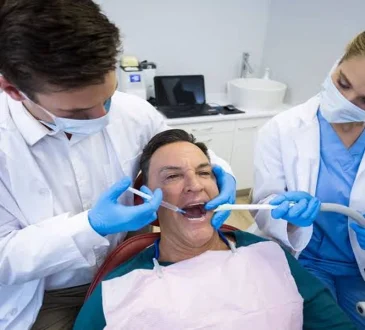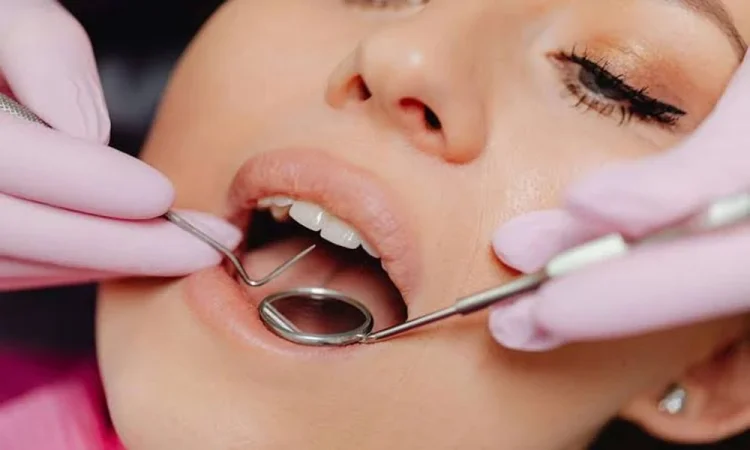
You may have started with one small thing. A chipped front tooth in a school photo. Stains that do not lift no matter what toothpaste you buy. A child who needs a cleaning, a parent who needs a crown, and somewhere in the middle, you are quietly wondering if your own smile can look better too. That is real life for most families. Dental care is rarely one neat category at a time. Invisalign Homer Glen may also become part of that conversation when considering ways to improve your smile.
That is why cosmetic dentistry in a family dental practice makes sense. You do not stop needing preventive care because you want whiter teeth. Your teenager does not stop needing guidance on oral habits because they want straighter-looking teeth. A family dentist sees the full picture, which means cosmetic goals can be handled alongside cleanings, bite issues, gum health, and long-term planning.
When cosmetic care is separated from routine care, people often delay treatment, spend more, or choose fixes that look good at first but ignore the cause underneath. In a family practice setting, appearance and health work together. That tends to be safer, more practical, and easier to maintain over time.
Family dentistry connects cosmetic goals with oral health needs
A brighter smile is not just about looks. Discoloration can point to enamel wear. A gap that bothers you may also trap food and make home care harder. A worn edge on a tooth may be a sign of grinding. If a dentist only treats the appearance, the same issue can come back, or worse, grow into pain, fracture, or gum trouble.
A family dentist is already watching those patterns over the years. They know if your child has thin enamel, if your partner clenches at night, or if your gums bleed during cleanings. That context matters. The Centers for Disease Control and Prevention shares oral health tips for adults that reinforce the basics many people skip when they focus only on cosmetic results, including daily hygiene, fluoride use, and regular dental visits.
This is where the setting matters. In a family office, cosmetic treatment is not isolated from the rest of your care. Whitening can be timed after a cleaning. Bonding can be planned around bite pressure. Veneers can be discussed only after gum inflammation is under control. That sequence protects your teeth and your budget.
Cosmetic dental care works better when a dentist knows your family history
Families often share habits, risk factors, and scheduling problems. One person drinks coffee all day, another plays contact sports, a child breathes through their mouth at night, and a parent has a history of gum recession. Those details shape cosmetic choices. A one size fits all approach rarely holds up.
If you have ever tried to coordinate care across different offices, you know how tiring it gets. Records are scattered. Advice does not always match. One office recommends whitening, another says you need fillings first, and now you are not sure who is looking at the whole picture. A family dentist can reduce that confusion because preventive, restorative, and aesthetic treatment are all considered together.
That matters more than many people realize. A recent report on oral health care differences across the US showed clear gaps in access and outcomes. When care is easier to coordinate, families are more likely to keep up with it. Convenience is not a luxury in dentistry. It often decides whether treatment happens at all.
A family dental practice supports cosmetic care from childhood through adulthood
Cosmetic concerns often start early. A child may chip a tooth on the playground. A teen may feel self-conscious about spacing or color. An adult may want to repair years of wear. A family practice can guide each stage without losing sight of growth, function, and future treatment needs.
The American Academy of Pediatric Dentistry supports the idea of a dental home, where ongoing care is consistent, coordinated, and built on a long-term relationship. That model fits cosmetic care well. It gives patients a place where changes in the smile are tracked over time, not treated as one-off cosmetic requests.
Smile enhancement in family dentistry also tends to be more realistic. You are less likely to be pushed toward treatment that looks dramatic on day one but creates maintenance issues later. A trusted family dentist usually aims for results that fit your face, your bite, and your daily life.
Comparing cosmetic treatment inside a family practice and a stand alone cosmetic setting
| Factor | Family Practice Setting | Stand Alone Cosmetic Focus |
|---|---|---|
| Health screening | Cosmetic plans are often tied to exams, gum checks, and bite review | May focus first on appearance goals |
| Long term records | Tracks changes across years and across family members | May rely on limited treatment history |
| Scheduling | Routine care and cosmetic visits can often be coordinated | Separate visits may add time and cost |
| Treatment planning | Restorative, preventive, and cosmetic needs are balanced together | Cosmetic goals may be planned apart from general care |
| Family convenience | One office can serve children, teens, adults, and older relatives | Often requires multiple providers |
Choosing the right cosmetic dentistry path starts with clear next steps
Ask for a full evaluation before cosmetic treatment. If you want whitening, bonding, veneers, or reshaping, start with an exam and cleaning. Cavities, gum irritation, grinding, and old dental work can change the right plan.
Talk about your real priorities. Some people want the brightest possible smile. Others want a natural look, fewer appointments, or a lower cost path. A good cosmetic dentistry plan should fit how you live, not just how a before and after photo looks.
Think in years, not days. Ask how long the result may last, what maintenance it needs, and what could shorten its life. Whitening may need touch-ups. Bonding can chip. Veneers may not be the first step if your bite is unstable. Durable choices usually come from careful planning, not speed.
A family dentist can make cosmetic care feel manageable
You do not need separate worlds for healthy teeth and a better-looking smile. In most cases, they belong together. A family practice setting gives cosmetic treatment context, which means your dentist can protect function, catch problems early, and help your whole household stay on track.
If your smile has been bothering you, or if you are trying to coordinate care for several people at once, a family dentist can help you sort out what matters first and what can wait. Start with a conversation and a full exam, then build a plan that works for your health, your schedule, and your smile.