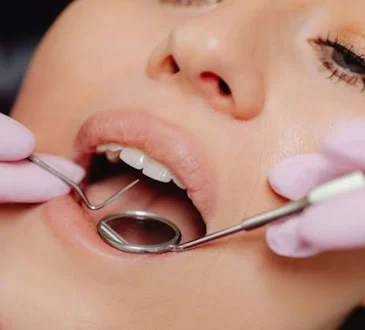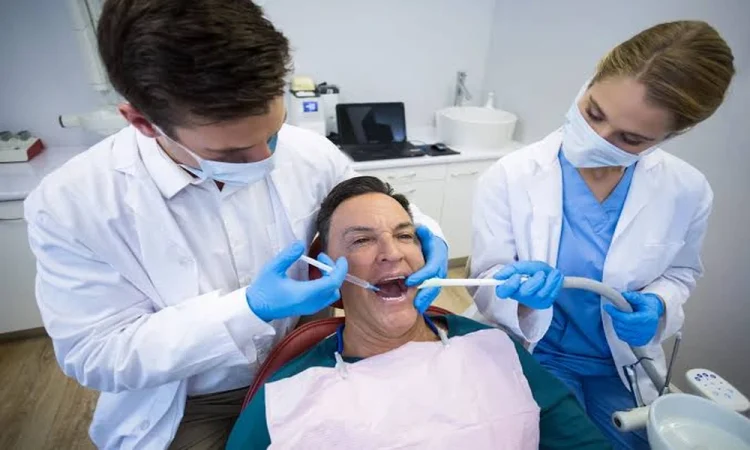
You may have gotten used to chewing on one side, covering your mouth when you laugh, or avoiding certain foods because one broken or missing tooth changed more than you expected. That happens slowly for a lot of people. What starts as a cracked tooth, old filling, or gap can turn into daily stress, self-consciousness, and the feeling that your mouth is running your life. For some, concerns about alignment also lead them to consider invisible aligners in Woburn.
That is why restorative dental care matters. It does more than repair teeth. It can bring back comfort, confidence, clear speech, and the ease of eating without thinking twice. Restorative dentistry helps fix damage and replace missing teeth, and in many cases it also supports your long term oral and overall health.
Missing and damaged teeth affect more than appearance
A damaged tooth is not just a cosmetic issue. It can make every meal feel like a calculation. You may wonder if that crunchy food will hurt, if cold water will sting, or if a loose crown will shift again. Missing teeth create their own problems. They can change how you speak, how your bite fits together, and how confident you feel in close conversations.
There is also a physical cost when treatment gets delayed. According to the CDC’s information on tooth loss, losing teeth can affect eating patterns, nutrition, and quality of life. Teeth work as a team. When one is gone, the others often take on more pressure, and that extra strain can wear them down over time.
This is one of the clearest ways tooth restoration treatments restore more than your smile. They help you get back ordinary moments that should never have become stressful in the first place.
Restorative dentistry often brings back comfort and function first
People often assume the biggest benefit is appearance, but function usually comes first. A filling can stop a cavity from turning into pain. A crown can strengthen a tooth that has been cracked or weakened. A bridge, implant, or denture can help distribute bite force more evenly so your jaw is not compensating all day.
If you have been living with discomfort for months, you may not even realize how much energy it takes to manage it. You avoid one side of your mouth, choose softer foods, and brace for sensitivity. Once the problem is repaired, many people notice the relief before they notice the mirror.
For those with several missing teeth, dentures can also restore day to day function in a meaningful way. MedlinePlus explains the basics of dentures and how they replace missing teeth, including how they can support chewing and speech. The right option depends on your oral health, bone support, and goals, but the point is simple. Replacing teeth helps your mouth work again.
Confidence returns when your teeth stop demanding attention
There is a quiet kind of stress that comes with feeling aware of your teeth all the time. You may smile with your lips closed in photos. You may speak a little less in meetings. You may cancel dinner because eating in front of people feels awkward. That emotional load is real, even when no one else sees it.
Dental restoration can change that by removing the constant reminder that something feels off. A repaired front tooth, a stable crown, or a well-fitted replacement tooth often gives people a sense of normalcy they have missed for years. Not perfection. Just relief, and the freedom to stop thinking about it every minute.
Oral health supports your whole body
Your mouth is not separate from the rest of you. Inflammation, infection, and untreated dental problems can affect overall health in ways that are easy to ignore until they become harder to manage. The National Institute of Dental and Craniofacial Research explains the connection between a healthy mouth and a healthy body, reinforcing what many patients already feel firsthand. When your mouth is in trouble, your daily well-being often suffers too.
That is another reason restorative work matters. Treating decay, replacing missing teeth, and repairing damage can help protect the health of nearby teeth and reduce ongoing strain on gums and jaw structures. General, cosmetic, and restorative dentistry often overlap here. The goal is not just to make teeth look better. It is to help your mouth stay stable and easier to care for.
Comparing common restorative dentistry options helps clarify the next step
| Concern | Common Restorative Option | What It Helps Restore | Practical Consideration |
|---|---|---|---|
| Small cavity or minor damage | Filling or bonding | Tooth shape, strength, comfort | Usually less invasive and often best handled early |
| Cracked or weakened tooth | Crown | Biting function, protection, appearance | Often used when a tooth needs more support than a filling can provide |
| One or more missing teeth | Bridge, implant, or denture | Chewing, speech, smile balance | Choice depends on bone support, budget, and long term goals |
| Advanced infection or deep decay | Root canal and crown, or replacement if needed | Pain relief, function, stability | Delaying care often raises cost and limits options |
Cost is often the hardest part to face. That is understandable. Waiting, though, can turn a manageable repair into a more involved treatment plan. A small cavity is cheaper than a crown. A restorable tooth is simpler than replacing a lost one. Timing affects both budget and outcomes.
Three practical steps can make restorative dental care feel manageable
Pay attention to the pattern. If you keep avoiding certain foods, feeling sensitivity, or noticing that you chew on one side, that is useful information. Write it down. Small details help identify whether the issue is decay, a bite problem, a failing restoration, or tooth loss.
Ask for a treatment plan with options. You do not need to walk into care ready to say yes to everything at once. Ask what needs attention now, what can wait briefly, and what each option is meant to solve. That makes decisions feel less overwhelming and more grounded in your real needs.
Think beyond the visible tooth. Ask how the problem affects nearby teeth, your gums, and your bite. The best restorative plan is not only about fixing one spot. It is about protecting the rest of your mouth so the same problem does not keep spreading.
Restoring your teeth can restore daily life
The value of restorative dentistry is not only in a better smile. It is in eating without pain, speaking without hesitation, and getting through the day without your mouth asking for constant attention. If you have been putting off care because it feels stressful, expensive, or embarrassing, you are not alone. The first step is simply finding out what is going on and what your options are.
General, cosmetic, and restorative dentistry can help you get back comfort, function, and confidence, one repair at a time.